
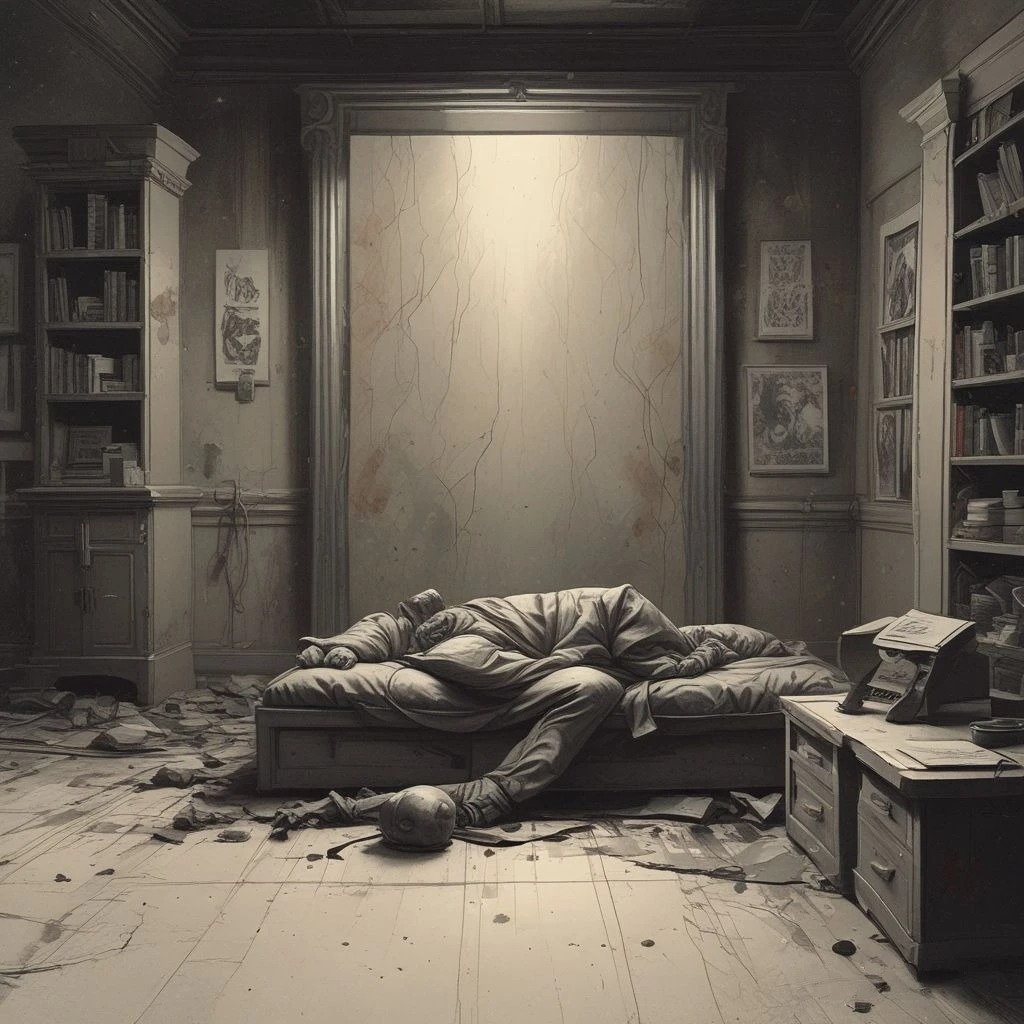
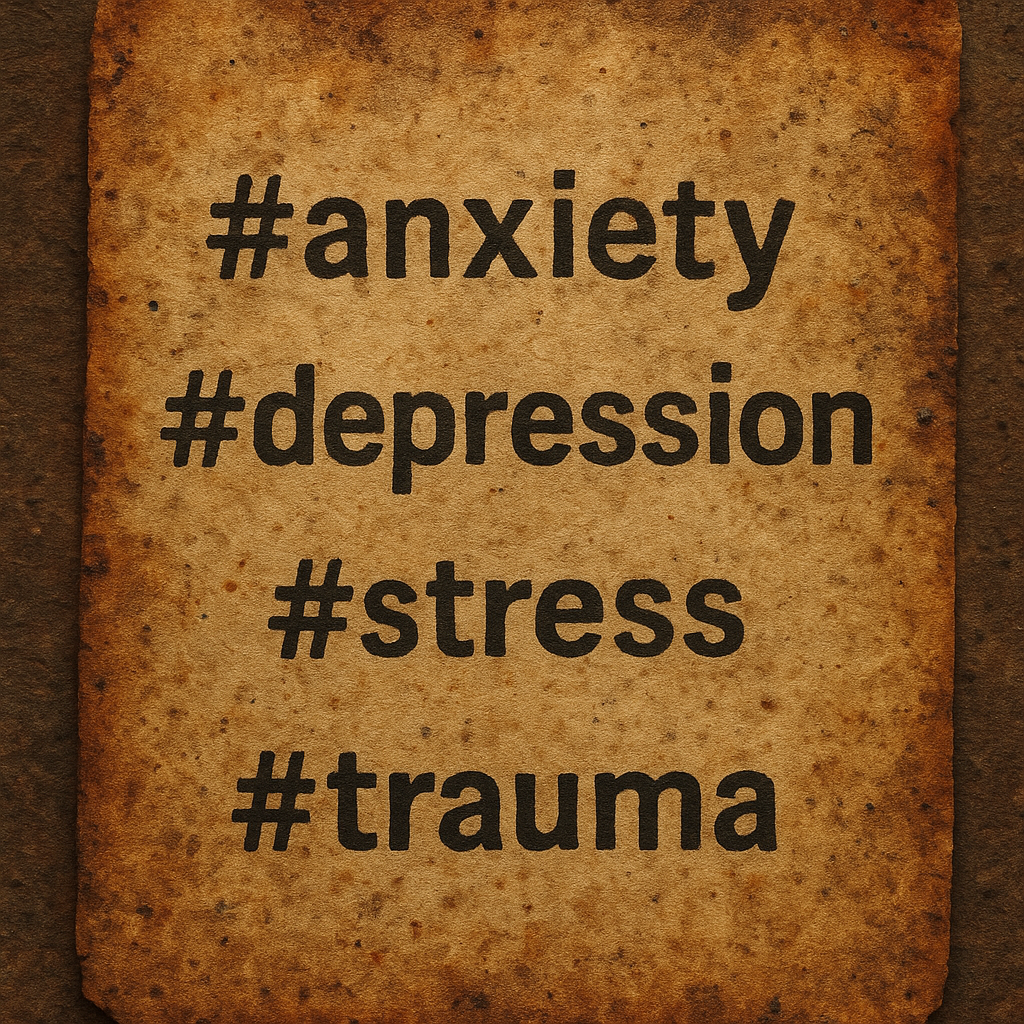
Mental health terms misuse is more common than we realise. Words like “depression“, “trauma“, “anxiety“, “troubled“, and “stress” have turned into casually misused phrases:
- “Ugh, I’m so anxious about this outfit!”
- “I’m dying of stress from this test.”
- “Work trauma, lol.”
- “You’re stressed? Just drink wine and sleep.”
- “This weather is depressing AF.”
- “Come on, you’re too young to feel like that.”
- “This haircut gave me trauma.”
- “Omg, I’m triggered!” (used as a meme)
- “That guy’s got issues, stay away.”
- “Troubled childhood, typical artist story.”
The weight these words carry: anxiety, stress, trauma, is no joke. But somehow, they’ve crept into casual, everyday language. In today’s world, people walk around with levels of anxiety and stress that, just a few decades ago, might’ve required psychiatric intervention. Now, because of the growing misuse of mental health terms, many are living with them without even realising it.
And it’s not their fault.
It’s the constant noise of the world that convinces us this is just how life is supposed to feel. To make things worse, throwing around these words like they’re slang only reinforces that idea. It normalises everything, unfortunately, even suffering.

The More We Say It, The Less It Means
We’ve reached a point where mental health terms are tossed around like background noise. Everyone’s “traumatised,” “depressed,” “anxious”, or “stressed” all in the same sentence, all without a second thought. But these aren’t just words. They’re not punchlines or placeholders. They’re experiences that change lives. And when we use them so casually, we slowly strip away their meaning.
Let’s break it down.
Stress isn’t just being busy or tired. Chronic stress messes with your entire system. It raises cortisol, impacts your sleep, your digestion and your memory. Left unchecked, it can shrink parts of your brain.
Anxiety isn’t being nervous before a date or an exam. It’s a constant state of alertness that your body gets stuck in. For many, it feels like living in a body that’s wired for danger even when everything seems fine.
Trauma isn’t just something “triggering” you on a bad day. Real trauma leaves an imprint. It can live in the body, the nervous system and even the subconscious. It shapes your reactions, relationships and worldview sometimes without you even knowing.
Depression isn’t being sad because your plans got cancelled. Numbness hits the moment you wake up. The things that once lit you up don’t pull you in anymore. You push through the day, carrying a weight no one else can see.
These words matter because people are living them, not just saying them. They deserve more respect than just a throwaway comment or casual remark.
From Healing to Hashtags
Then there’s Gen Z > the generation that grew up online, in full exposure to emotional language, therapy buzzwords and mental health memes. In some ways, it’s beautiful. They’re more open about emotions than any generation before them. But with that openness has come a certain casualness. Suddenly, everything is a “trauma response.” Everyone’s “so OCD.” Every inconvenience is “giving me anxiety.” Emotional language has become aesthetic. Words that used to describe deep psychological struggles are now captions, punchlines, throwaway comments or TikTok trends.
However, here’s the thing, many of them are genuinely struggling. This is the most anxious, most overstimulated generation in history. But when serious terms get used loosely, it makes it harder to tell who actually needs help and who’s just repeating what they’ve seen online. It’s not about gatekeeping emotions. It’s about protecting the weight of these words because; once something becomes a trend, it stops being taken seriously.
You Can’t Heal What You Haven’t Even Felt Clearly
But how is someone supposed to truly understand what they’re feeling if every feeling already has a trendy label slapped on it? When every discomfort is called anxiety, every low mood is depression and every conflict is trauma… how can anyone actually know what’s going on inside them? This constant misuse of mental health terms creates confusion. It’s a mix of two things: herd mentality and a lack of real self-awareness. Most people are repeating what they hear, not exploring what they actually feel.

From Time to Tuning
The previous generations didn’t live what this generation is living and this generation can’t even begin to grasp what the older ones went through. When I say “generations,” sure, it sounds like I’m talking about time. But what if I told you… it’s not time that changed things… it’s vibration? Sounds absurd, right? Like, what is this guy even saying? But hang on. Let me give you something to think about, something rooted in fact.
Back in the day, music used to be tuned to 432 Hz, a frequency many believe resonates more naturally with the human body and the rhythms of nature. But after a global standardisation in the 1950s, that changed. Today, almost all music is tuned to 440 Hz. It was a decision made for the sake of uniformity, not harmony. Ever since, people have debated whether that subtle shift did more than just change how music sounds. Maybe it changed how we feel. Vibes aren’t just a mood. They’re frequencies. And they’ve been altered.
440 Hz might sound like just a technical tuning standard, but its effect goes deeper than most realise. Unlike 432 Hz, which many feel is calming and aligned with natural rhythms, 440 Hz carries a sharper, more tension-filled vibration. It’s been said to activate the mind, but not always in a peaceful way. It can heighten alertness, restlessness, even anxiety for some. Modern music pushes this frequency on us, and most of us never question it. But when the frequency shifts, so does the way the body and mind respond. And that’s no small thing.
When everyone’s been unknowingly wired to the same frequency for decades, it’s no surprise we move as a crowd, feeling the same unrest, thinking the same thoughts and calling it normal. That’s herd mentality, amplified by vibration.
Living Intentionally
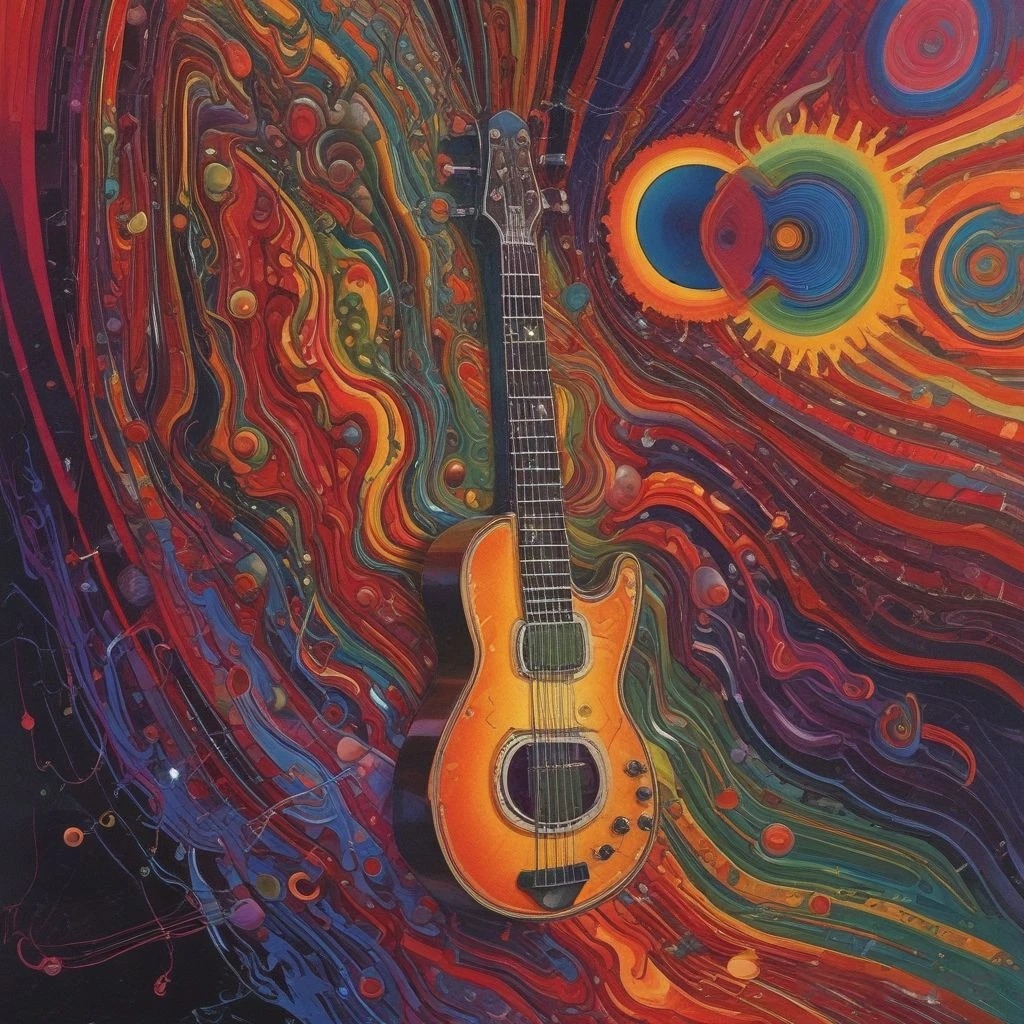
I’ll be honest. I don’t really listen to music the way I used to. I’ve heard all the classics. I know what good music feels like. But most of what’s out there now? It doesn’t move me. It doesn’t heal me. So I stopped chasing it. These days, I listen to instrumental music. Jazz or, when I feel like it. Just enough to keep my vibrations lifted and my mind clear.
I still make music, though. Because I believe we can bring the feeling back. The goal isn’t just to tune in, it’s to tune true. You can listen if you want by clicking here (SoundCloud).
Maybe that’s part of the solution. Tune out the noise. Tune into yourself. Use words with intention. Choose frequencies that actually nourish your system… not just fit the algorithm. The crowd doesn’t get to decide what truth feels like. You do.
In a world that casually throws around pain, choose to be precise. In a generation that’s overloaded with emotion but underfed in understanding, be the one who pauses, who questions, who listens within. The more real we get with ourselves, the less noise we need to belong.
In an emotionally loud world, reconnect with yourself before the noise defines you. Here’s a quiet reminder to turn inward.