The art of communication is vanishing before our eyes.
For 50,000 years, communication has been humanity’s most powerful skill. Building relationships, families, tribes, and entire civilisations. It carried wisdom across generations and gave meaning to our connections. But in today’s digital world, we’re watching that ancient skill slowly disappear.
The Disappearing Practices of Human Communication
Human Communication
Problem-solving.
Storytelling.
Debating.
Negotiating.
Building new connections.
Networking.
Communicating with strangers.
These were once the core practices that shaped human interaction and pushed civilisation forward. We learned through dialogue, built trust through conversation, and solved conflicts through words.
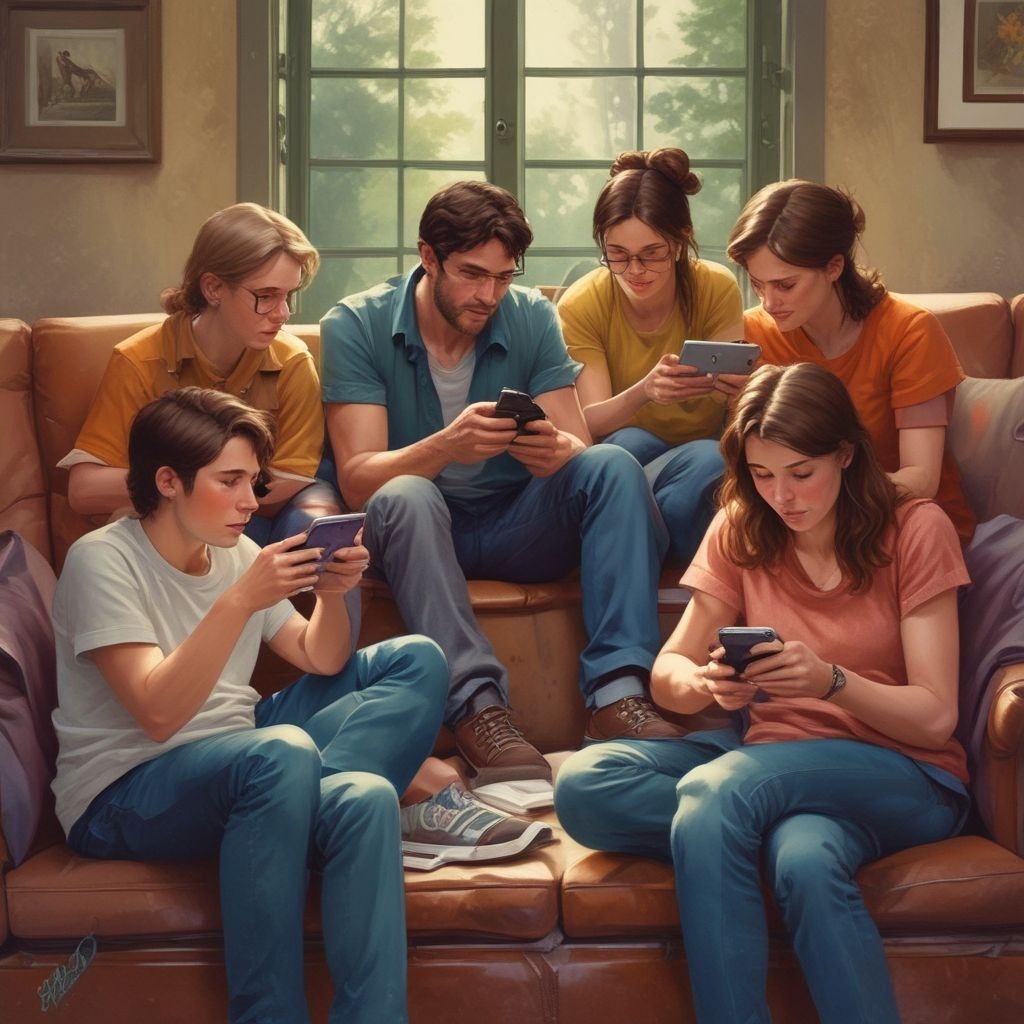
Today, many of these skills are fading into long-forgotten practices. Conversations that once flowed naturally are now avoided. We outsource problem-solving to search engines, avoid eye contact with strangers, and replace storytelling with fleeting social posts. Even listening, perhaps the most powerful part of communication, has been reduced to waiting for our turn to speak.
And what about the conversations we do have?
They are filtered, masked, and curated.
We put on digital personas, hide behind emojis, and present versions of ourselves that are safer, cleaner, and more acceptable.
This isn’t just a shift in how we speak, in fact, It’s a collapse in how we connect.
The art of communication is slipping away, not because we lack words, but because we’ve forgotten how to use them honestly, fully, and fearlessly.

The New Art of Communication
Code has evolved.
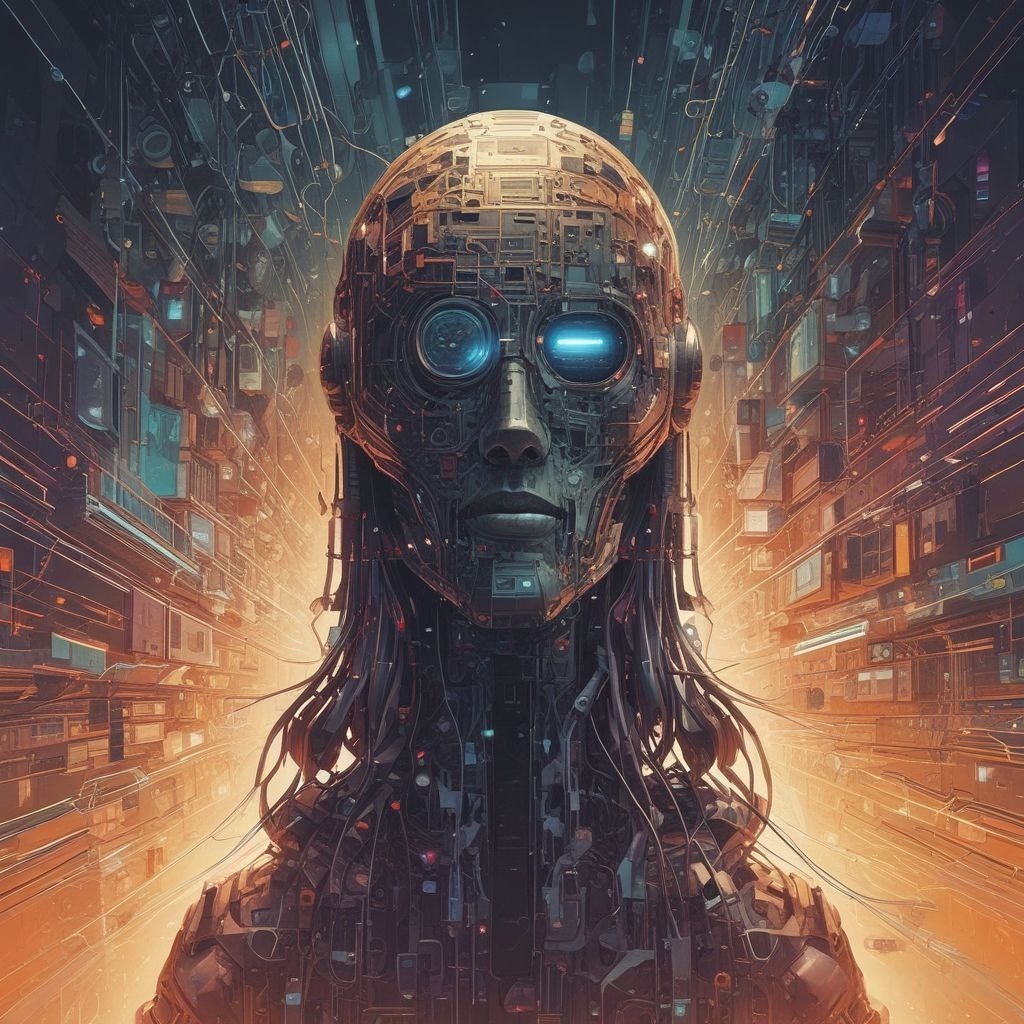
It now integrates with almost everything around us. Once, code was celebrated as the language of the universe: mathematics, algorithms, and digital systems shaping the modern world. Yet while code connects machines, we are forgetting how to connect with each other.
Code is everywhere now.
We survive on code. Our phones, laptops, TVs, induction cooktops, washing machines; everything we use runs on it. We live in a code-driven world, a consumer market so dependent on technology that nearly everything we do and need is powered by algorithms, programs, and lines of code.
And oh God… us Millennials, the kids born in the ’90s, we’re probably the last generation to remember what childhood felt like without social media. At least we picked up some real-world skills that could help us survive in a world without code. But what about the generation after us? Gen Z? It’s terrifying! Many of them have almost no real-world skills. So imagine this: when our generation fades away, what will be left of the world? Can humanity even survive?
Or will humanity have to start from scratch? Will the next generation be forced to relearn the lost art of communication all over again?
Sitting with this thought fills you with fear. This generation proves that everything we built before: the tools we mastered, the knowledge we accumulated, the books we read, the lessons we learned, could soon become useless.
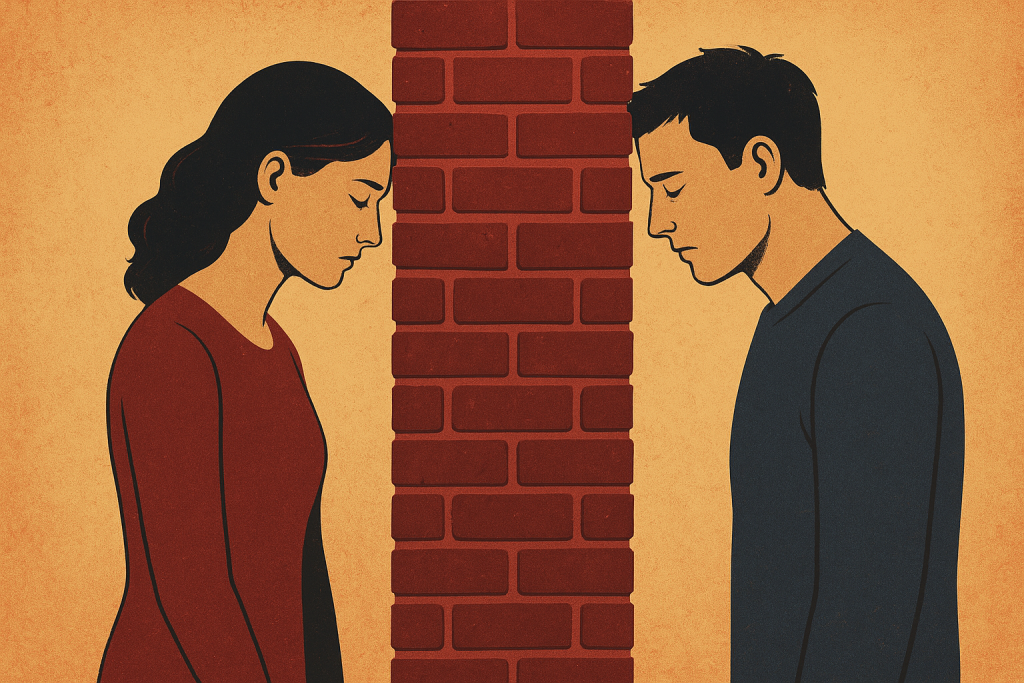
In the Art of Communication, Silence Creates Walls
Most relationships are becoming more strained with every passing generation. Concepts like family discussions, get-togethers, or even celebrating festivals together are either lost or reduced to digital interactions. This shift builds invisible walls within families and relationships. Today, many people would rather sit in silence at the dinner table staring at screens than share perspectives, exchange thoughts, or engage in meaningful conversations.
Awareness of this decline is crucial. Silence doesn’t create peace, it creates space for suppressed emotions. Over time, these buried feelings turn into resentment, anger, frustration, doubt, and fear, often fuelled by stereotypes and misunderstandings. In the process, we begin to forget our roles; whether as family members, friends, or partners.
Now, think about it on a larger scale. If silence within families breeds resentment and distance, imagine what happens when a government silences its people. The same walls, the same suppression, the same eventual explosion of anger and fear only magnified across an entire society.
The truth is simple yet powerful: we are losing the art of communication. And not just communication, but effective communication. The kind that heals divides, strengthens bonds, and keeps us human.
The Art of Communication Itself Creates Bridges
If most of who we are is made of feelings and emotions, then leaving them unspoken is like locking away our very humanity. Yet too often, ego, selfishness, anger, or hate block the path. Not everyone communicates like you do; and they don’t have to. What truly matters isn’t just the words spoken, but the intention behind them. And if we can’t learn to see that, the walls will only grow higher. But if we do, if we truly listen and seek to understand, then the bridge between us can finally be built.
Reclaiming the Lost Art of Communication
This post is all about raising awareness and, awareness is the key. But if you want to boost your communication and confidence to clearly express your thoughts and ideas, leave a comment below. Remember: creativity is your most powerful form of expression. Share it, express it, let it out. Don’t just keep taking in information without giving anything back.
To begin, you need to truly understand yourself. Click here to find out how.
1 Comment
I am a home tutor..I see students struggling to spell simple words used in daily life..Most have a carefree attitude towards every thing and on top of it no gratitude . Parents are busy with their phones, no one to really guide the children…I agree with your post . Children are treated like they are special, I tell the parents treat them like the way world would treat them sometimes, so they are well equipped when the face the world .